

How can I legally rent my property in Thailand?
Can I Legally Rent my Phuket Property & What are the Rental Taxes? This is a very important questions and commonly asked. All foreign nationals can legally rent their property as long as they are the legal owners. The rental of real estate is an important part of the income of foreign investments in Thailand. There are many types of rentals in Phuket including condominiums, apartments, villas and houses
Thai law does not allow owners of condominium units to rent for durations under 30 days unless the condominium has a hotel license. It is important to note that short term rentals less than one month are regulated by the “Hotel Act” and limitations of short-term rentals are different depending on the type of property being rented.
Rentals of condominiums less than 30 days can only be made by licensed establishments, which means they have a hotel license. However, condo owners can rent out their properties legally for periods longer than 30 days. Also, most condominiums house rules and regulations specify that short term rentals are not permitted. It’s best to check with the condominium management or the juristic person before purchasing a condominium if short-term rentals is your goal.
Renting a house or villa in Thailand short term is possible, provided that the hotel law is respected. It is important that a legitimate Thai company is running the rental business and complying with Thai law and all health and safety requirements are observed.
Renting my property in Phuket – What options do I have?
Can I Legally Rent my Phuket Property & What are the Rental Taxes? What is the difference between a rental pool, rental management and a guaranteed rental program? It is important to understand what the options are to generate an income from your property.
Rental Management Program
In some real estate projects, the original developer, or a contracted company, will be appointed to manage the rentals of that project. If that is the case the company is responsible for marketing to attract rental tenants, negotiate the bookings, check the clients in and out and make sure the property is well maintained. Many times, a rental management company will require a property to be committed to the “rental program” for a fixed period of time and the rentals income is split between the owner and the management team anywhere from 80:20 to the owner to 60:40.
Rental Pool
Sometimes the rental management programs are separated into a “pool” of properties by “type”. For example, all 1 bedroom – all 2 bedrooms – all 3 bedrooms – are grouped together. Unlike the Rental Management Program, where owners are paid on the actual rental usage of their particular property, a rental pool program groups units together and combines the revenue generated for each type to be split evenly to all owners. There are some pro’s and con’s associated with this method and depends on projected occupancy and if your property is a condo or villa. However, if you paid a premium for a great view or upgrades then your property will return the same gross revenue as the same unit type that paid less or does not have the view or upgrades.
Private Rentals Management
Owners can contract a private management company in Phuket to conduct the same services outlined above if their project does not have a Rental Management Program. These contracts are usually more flexible and allow owners to occupy the property for part of the year should they wish to do so.
Owner’s Personal Hands-On Management
Also, If the owner desires hands-on experience, they can manage their own rental calendar and check ins and check outs. This would depend on them being in Thailand and willing to be involved in the day-to-day operation.
Guaranteed Rental Returns
This is marketing tool is used in investment projects, especially in the holiday markets like Phuket. Basically, some developers offer a fixed % of return on the purchase price over a period of time. For Example: 8% over 3 years. During that period the owners usually are allowed 1- or 2-weeks personal use per year and the rest of the time the developer has the rights to rent out the property.
Rental Income Tax in Thailand
Can I Legally Rent my Phuket Property & What are the Rental Taxes? Do I pay rental tax as a non-resident? What taxes do I pay when renting my property? What is Withholding Tax?
Do you plan on renting your Thai condo or villa as additional income? Don’t forget to factor in taxes on rental income. If you own any property in Thailand, even if you live outside the country, you are legally responsible to pay a House and Land Tax on rental income which is 12.5% of the annual rental income.
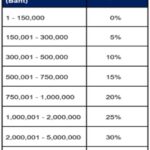
In addition, the rental income is taxable as income and owners will have to pay Thai Income Taxes on the money. If you are a resident of Thailand your rental income will be combined with your salary and/or personal income (salary + rental income). You will then be liable for the personal income tax on the standard sliding scale of income tax which ranges from 0-35%.
If you are a non-tax payer in Thailand or live outside Thailand you will obtain a PND91 personal income tax form from the tax office or your personal accountant / agent. Income is filed, usually in March, based on the rental income earned for the previous year.
What is the Withholding tax?
The Withholding tax is basically a prepayment payment of the income tax owed to the Thai government
Withholding Tax from Guaranteed Rental Income
Property development and/or hotel management companies paying investors guaranteed rental income deduct a Withholding Tax from this amount. Depending on the case it can vary from 3 to 15%. What this means is that the Withholding tax amounts are deducted from the guaranteed rental payments the buyer received from the developer/hotel management. This amount is then deducted from the taxes that are due at the end of the year (with proof of the amounts paid). If the amount of withholding tax paid is higher than the income tax due, you can claim a refund of the overpayment by submitting an annual income tax liability form.
Having a Thai company it is easier to claim these payments back when you complete your year-end tax submissions. If an individual owner/landlord has a TIN (tax identification number) this will also be helpful to claim back any withholding tax payments and ultimately reduce the payments ensuring their investment and income is significantly higher.
Withholding Tax from Rental Income
Sometimes a property will be rented by a company rather than an individual; it could be a commercial property (office or retail space), a company might be renting a villa for an employee, or the tenant may wish to write off the rent as a company expense.
When the renting tenant is a company, the company is required by law to deduct 5% from the rent they owe their landlord and pay it directly to the government as prepayment of the landlord’s income taxes. This applies whether the landlord is an individual or a company. Leasing property to a corporate entity you should be aware that you will only receive 95% of the agreed upon rent.
If you live outside the country, a withholding tax payment must be sent to the government and paid on your behalf. This can be paid by either by the person or company renting your property or you can pay it yourself. This withholding tax is paid for all types of rentals including individual rentals, properties in a rental pool or a guarantee rental agreement.
Tax is applied on a graduated scale as follows – Annual Income
Article written by Prakaidao Hodges. For inquiries or further information contact us here