

Installing A Solar System in Your Phuket Property
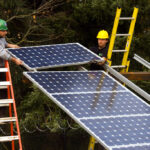 Installing a solar system on your Phuket property can be extremely beneficial. Due to its geographical position near the equator, Phuket has sunshine almost every day of the year. Even rainy days have some sunshine. Phuket is a perfect place to install a solar system to take advantage of the consistent annual sunshine.
It is not uncommon for homes in Phuket to run electricity bills at 15,000 THB per month, especially for people who work from home, rent out their villas, or if the estate has an add-on rate to the unit charge. Solar installations start at 300,000 THB, and the average length of time it takes to recoup the investment, known as the payback period, is 2–3 years. This will bring electricity bills down close to zero, and landlords can include electricity in their Phuket rental price without reducing their income. Great for holiday rentals!
What Is Solar Energy?
Solar energy is heat and radiant light from the sun and harnessed using technologies such as solar power (used to generate electricity) and solar thermal energy (used for applications such as water heating). It is a renewable and clean energy resource, replacing fossil fuels, producing heat and generating electricity.
How Do Solar Panels Make Electricity?
STEP 1: Sunlight activates the panels
Solar panels are constructed with a layer of silicon cells, a metal frame, a glass casing surrounded by a special film, and wiring. Then they are placed on rooftops or in large outdoor spaces. The solar cells are referred to as photovoltaic cells and absorb sunlight during daylight hours.
STEP 2: The cells produce an electrical current
When light energy from the sun strikes a photovoltaic solar cell, it energizes the cell and causes electrons to ‘come loose’ from atoms Those loose electrons are set into motion, and this motion creates an electrical current.
STEP 3: Electrical energy is converted
You now have solar panels working efficiently to transform sunlight into electricity. The electricity generated is called direct current (or DC) electricity and is not the type of electricity that powers most homes, which is alternating current (or AC) electricity. Fortunately, DC electricity is easily converted into AC electricity by a gadget called an inverter.
STEP 4: The converted electricity powers your home
 Once the solar energy has been converted from DC to AC electricity, it runs through your electrical panel and is distributed within the home to power your appliances. It works the same way as your electric utility company’s electrical power generated through the grid, so nothing within the home needs to change. Since you remain connected to your traditional power company, you can automatically draw additional electricity to supplement any solar shortages from the grid.
STEP 5: Net meter measures usage
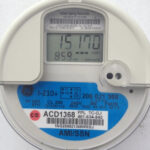 A net meter measures the electricity flowing in both directions—to and from your home. On cloudy days and overnight, the solar panels may not be able to capture enough sunlight to use for energy. Also, in the middle of the day, the solar panels may collect surplus energy—more than you need to operate your home. A net meter adjusts for these situations.
This is the basic explanation of solar energy. For the more inquisitive, there are countless articles available on how photovoltaic technology can capture the power of the sun to operate a home.
Installing a Solar System & the Benefits
Reduced Electricity Costs
Solar panels can significantly reduce electricity bills by installing a solar system in your Phuket property. This benefit will make the property more attractive and affordable. Tenants may be willing to pay a premium for a rental property with lower utility costs.
Increased Property Value
Solar panels can increase the value of a rental property. This can be advantageous when it comes time to sell or refinance the property. Potential buyers or lenders may view the property more favorably because of the reduced energy costs.
Attract Eco-Conscious Tenants
Solar panels appeal to environmentally conscious tenants who want to reduce their carbon footprint. This can make the property more attractive to a broader range of potential renters.
Stable Energy Costs
Solar panels provide a stable energy source, which can be especially valuable during rising energy prices. This stability can reassure landlords and tenants, as they won’t be as affected by energy price fluctuations.
Marketing Advantage
Market your rental property with solar panels as “green” or “eco-friendly.” This can help it stand out in a competitive rental market and attract tenants who value sustainability.
Long-Term Investment
Solar panel systems typically have a long lifespan (often 25 years or more), making them a long-term investment that can continue to benefit the property owner and tenants for many years by installing a solar system in your Phuket property.
Energy Independence
Solar panels can provide a degree of energy independence. This means that during power outages or emergencies, the property may still have access to electricity, which can be a valuable feature for tenants. Also, many houses in Phuket have water tanks with pumps. When the electricity goes out, so does the water. An additional benefit of installing a solar system is that it can ensure that your house will always have access to water.
Increased Tenant Retention
 Tenants who benefit from lower energy bills may be more inclined to renew their leases. Installing a solar system in your Phuket property can reduce turnover costs for landlords.
In Conclusion
Solar energy is a renewable energy source. Solar energy is clean. It creates no carbon emissions or other heat-trapping “greenhouse” gases. It is easy to install, and the investment can be very beneficial after a few short years.
Managing and Maintaining your Rental Property
 At Baan Wise, we work with owners to maintain and manage your rental home. We can help you by contacting a reputable solar energy company and overseeing the installation to help you achieve your solar installation goals.
Article written by Prakaidao Hodges. For inquiries or further information, contact us here
Follow Us on Facebook https://www.facebook.com/BaanWise/